
No ship. No crew. No weather windows. Scout is an autonomous ocean robot that collects and transmits surface and subsurface data, for months.








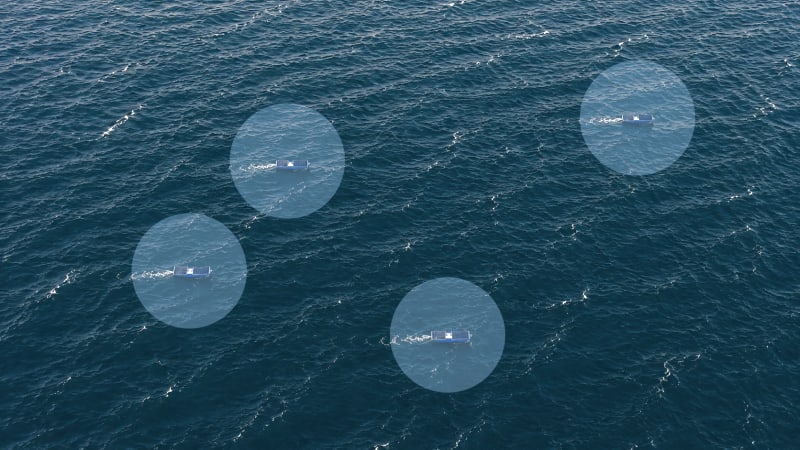
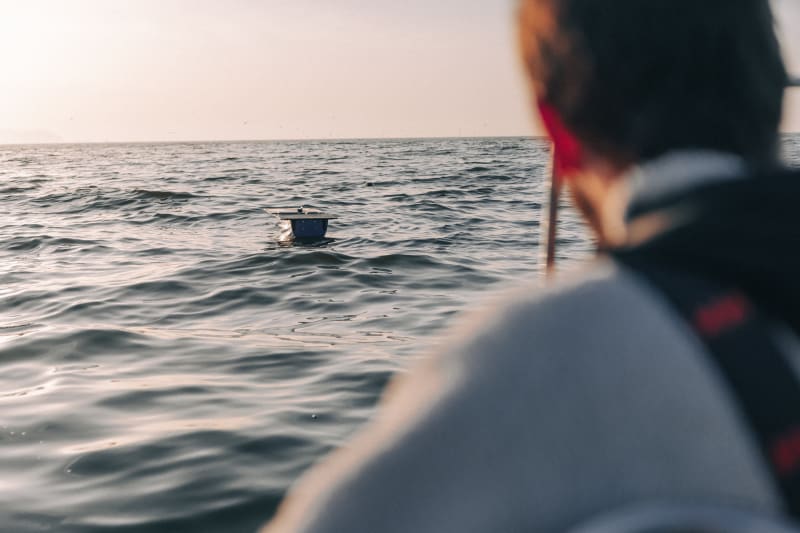
Bad weather sends crewed ships back to shore.
Scout keeps working through it.
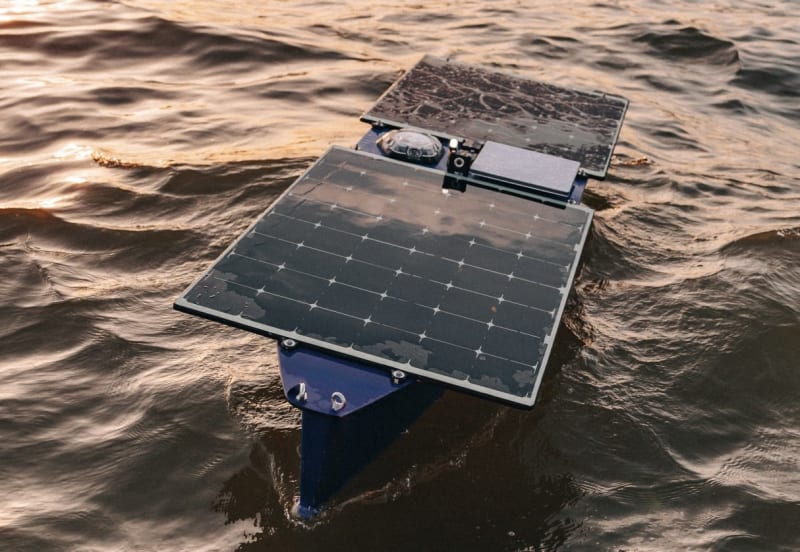
Equip Scout USV with any sensor. It holds station or transits for months, streaming large data sets back to your cloud in real time.
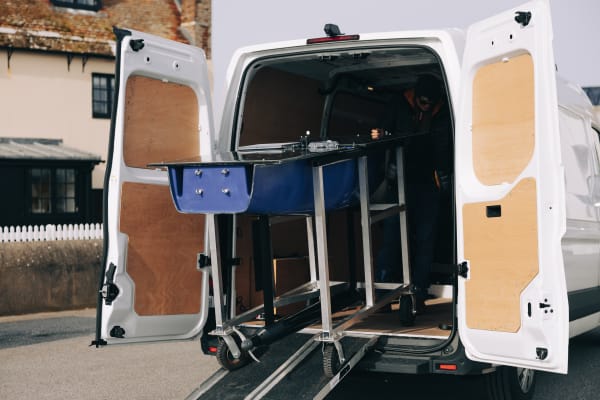
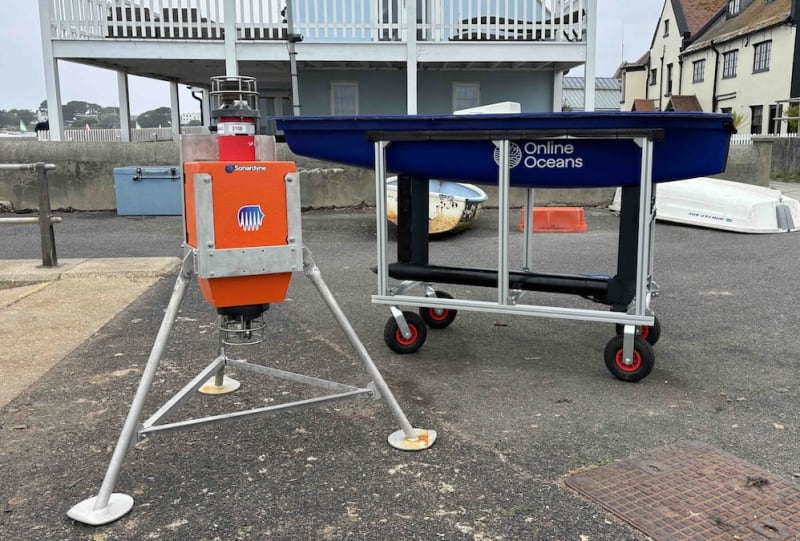
Scout fits in the back of a van
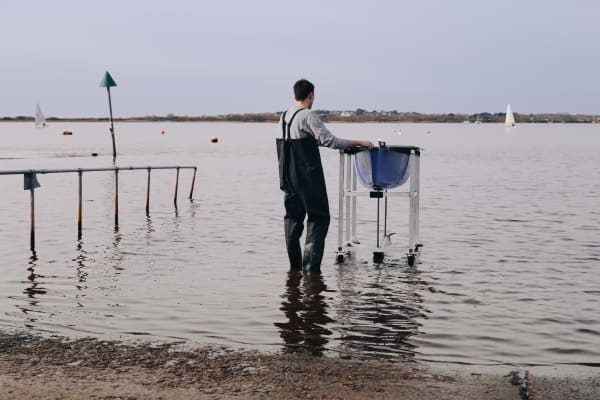
Slipway, beach or boat launch

Send missions from your phone
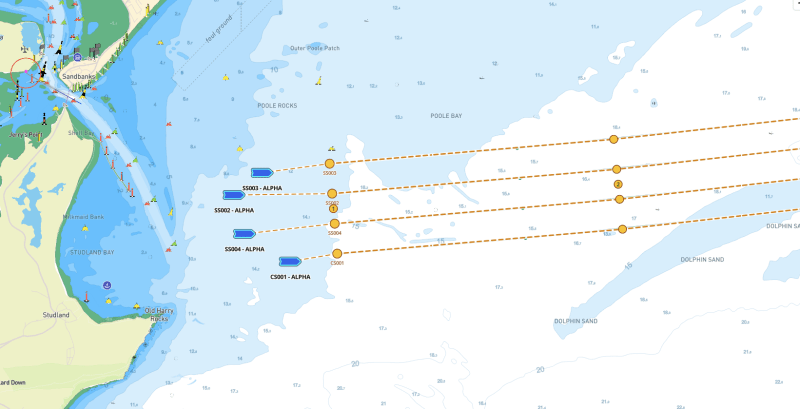
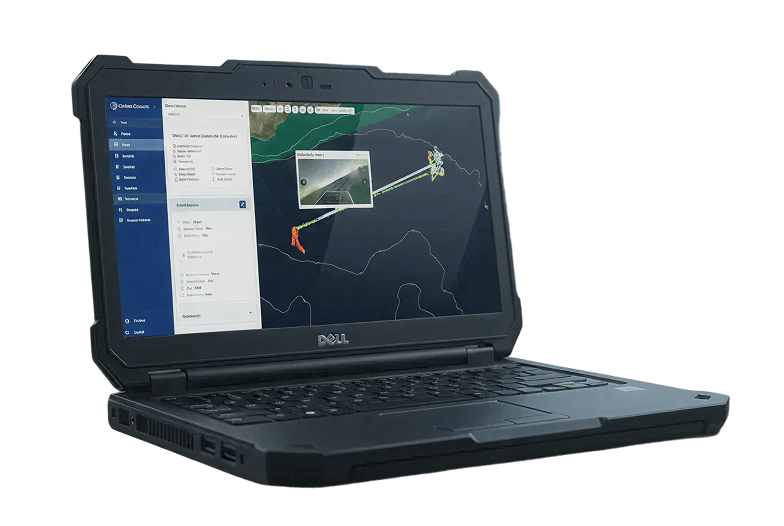
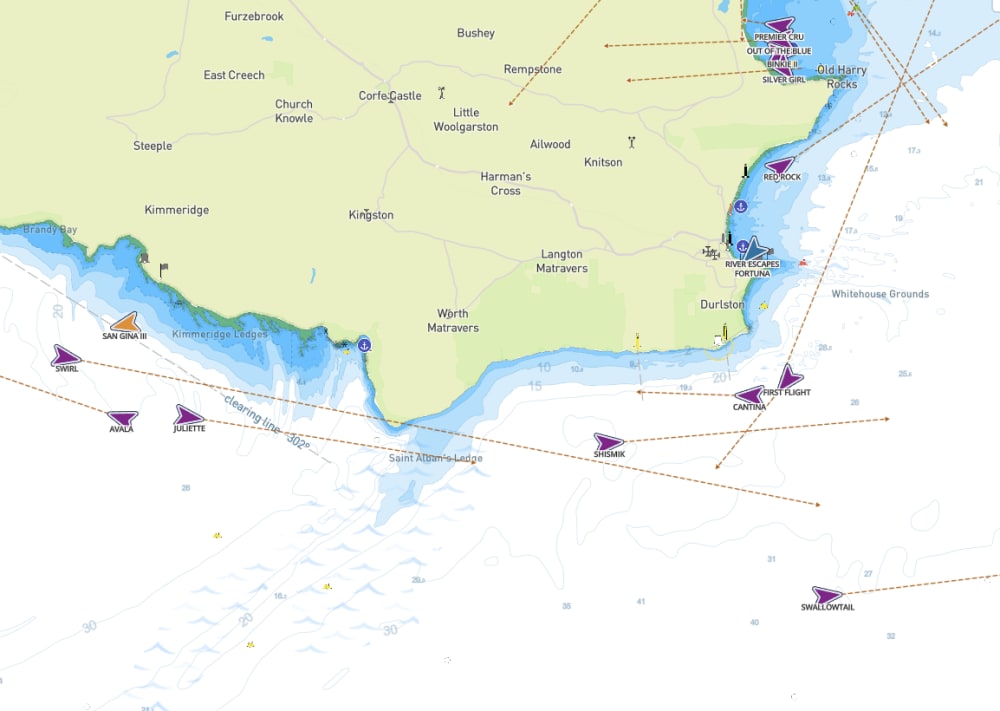
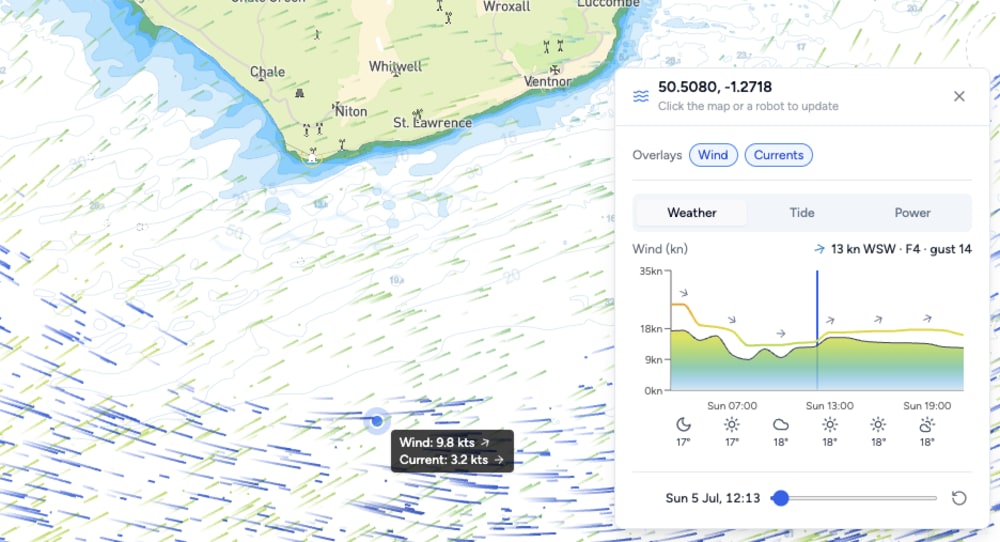
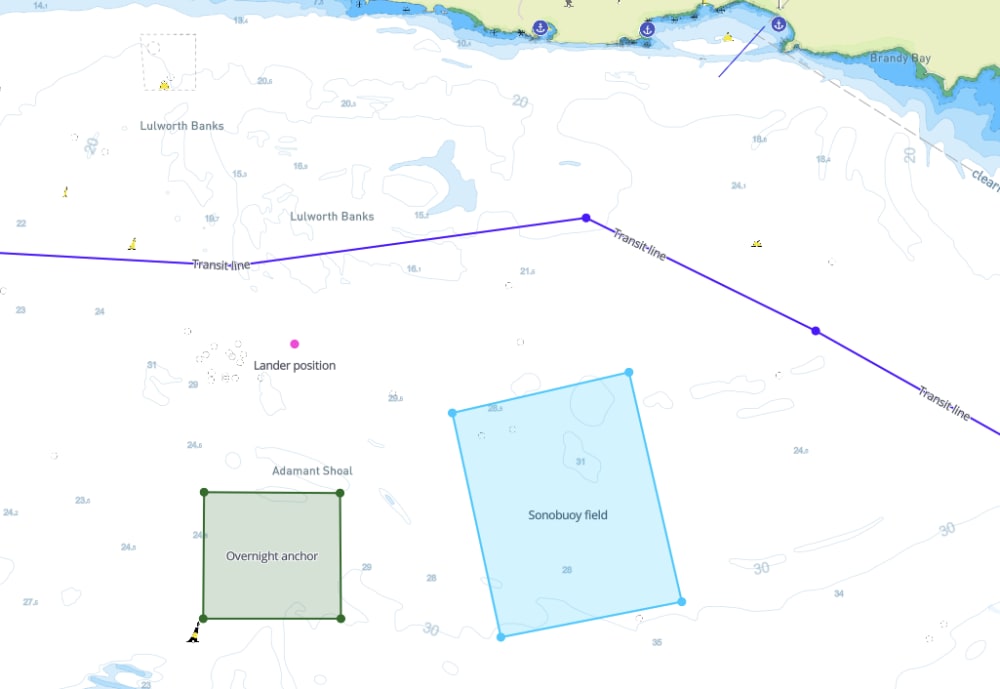
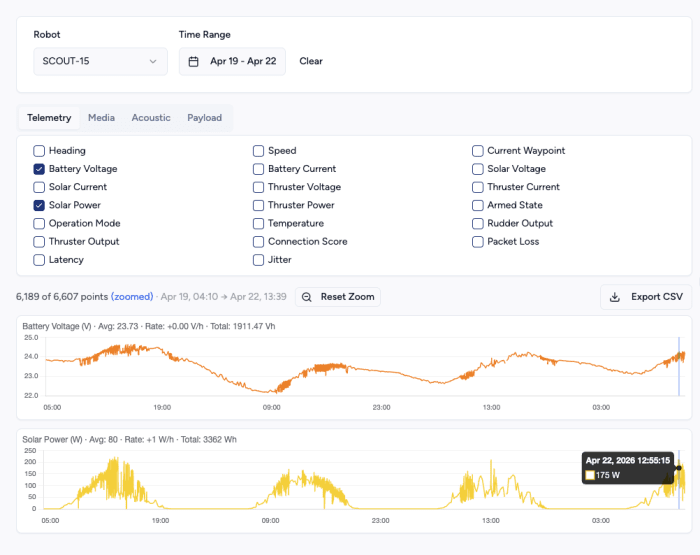
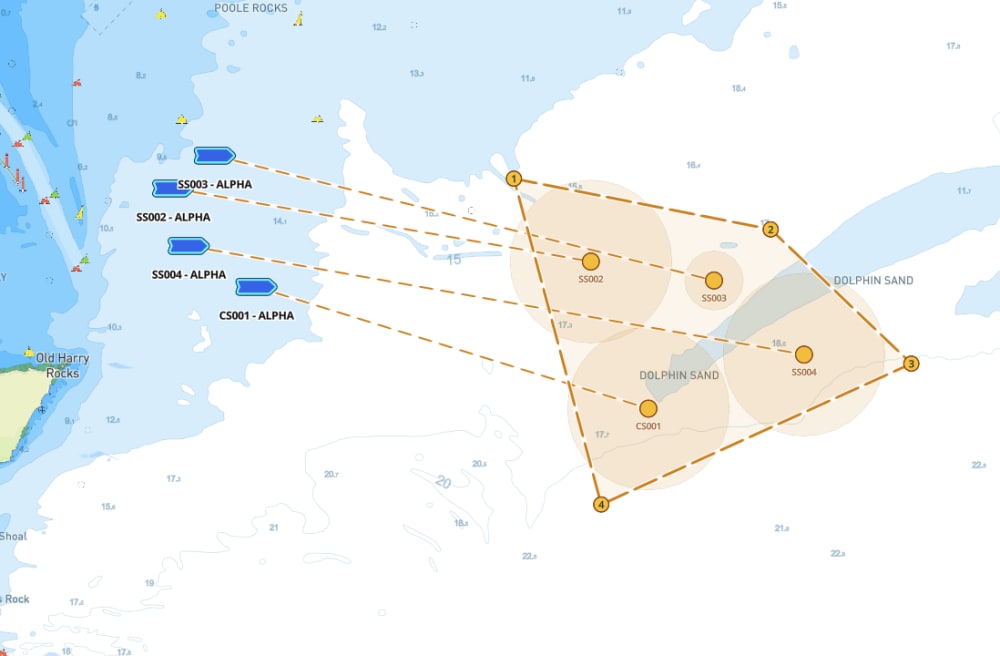
Tether runs in any browser on desktop or phone. Plan missions, watch live data come back, take piloting control and get alerts the moment anything looks off.
 TETHER · ACOUSTICS
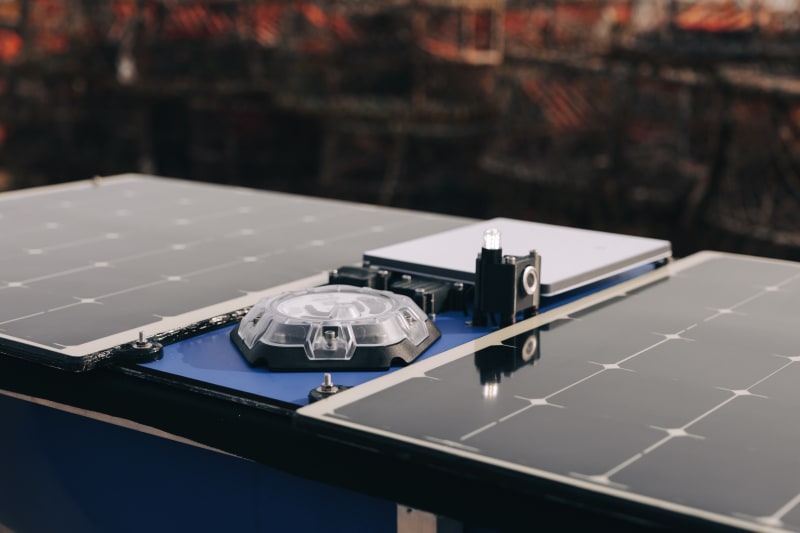
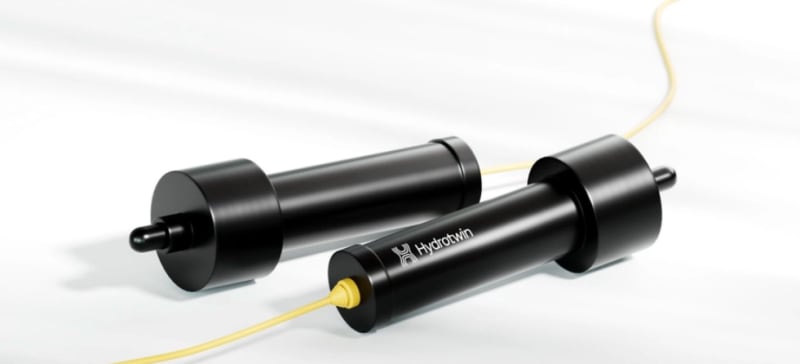
Bring your own sensors
Above & below surface detection
Subsea data harvesting & tracking
Metocean sensing, deployed anywhere
Mobile AI acoustics, deployed for months
Tether is the mission control that runs our own fleet, available under your own brand. Tether Bridge is the box that puts the vehicles you build on it.
ArduPilot, PX4 or any MAVLink flight computer
Your logo and colours on the screen your customers see
Take control from a phone or laptop, anywhere
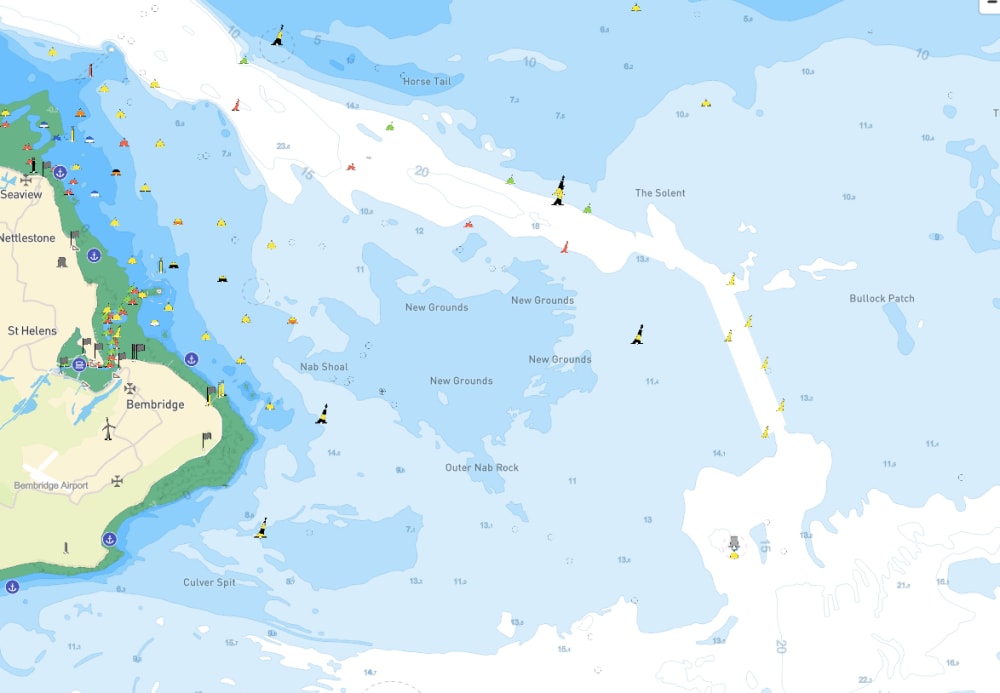
Global AIS, weather, tides, bathymetric charts
One cable: power and ethernet
Full autonomous control
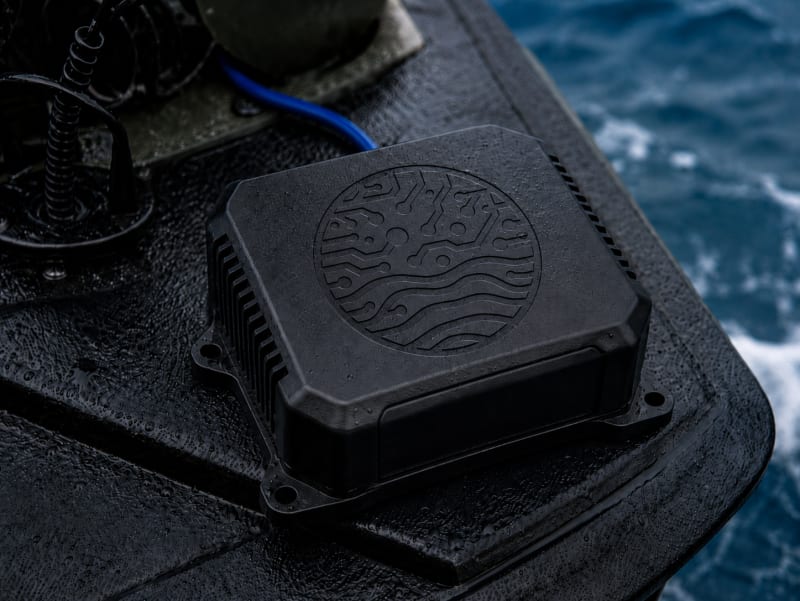
Scout is ready to deploy straight out of the box. Launch from a slipway, beach, or small boat. No complex setup required. Missions are planned and monitored remotely via Tether, our web-based command and control platform.
Scout is solar-electric with an ultra-efficient drivetrain, so it can operate indefinitely given enough sunlight (which depends on location and time of year). In practice the limiting factor is biofouling, so missions typically run for months between servicing.
Scout uses Iridium and Starlink satellite communications. Data is delivered to secure cloud dashboards or via API. Scout operates autonomously by default, with no persistent link required. If connectivity is interrupted, it continues its mission. You own your data.
Scout operates in sea state 6 and is designed to survive sea state 8+. The hull is self-righting under all conditions. Onboard AIS collision avoidance keeps Scout clear of other vessels while operating autonomously.
Research vessel charters typically cost tens of thousands of pounds per day and provide data only while the ship is on station. Scout starts from £40,000 and collects data continuously for months, making it roughly 200 times more cost-effective for persistent monitoring. One person can deploy it from shore, with no crew, fuel, or port infrastructure required.
Scout is relocatable. Deploy once, cover multiple sites. No mooring permits, no anchor maintenance, and you can reposition as conditions or requirements change.
You set a centre point and radius. Scout drifts with the current to conserve power, then motors back to centre when it reaches the edge, holding position for months with minimal energy use.
Yes. Scout Payload provides power, data interfaces, and payload space for custom sensors. Our team supports integration of third-party instruments.
Yes. Scout Detect is designed for maritime domain awareness, with secure data handling and integration options for existing C2 systems.
Minimal scheduled maintenance every six months, with low-cost consumable parts. Scout's hull is designed to resist biofouling for extended deployments through wave-action self-cleaning.
Scout is available via outright purchase or as data-as-a-service, where Online Oceans operates Scout on your behalf and delivers processed data.
A USV (uncrewed surface vehicle) works on the surface, so it can run on solar power for long endurance and stream data live over satellite. An AUV (autonomous underwater vehicle) operates subsea for shorter missions with limited comms. Scout bridges both: it stays on the surface for persistent data collection and uses an acoustic modem to harvest data from subsea instruments.
Scout is built to be the most accessible autonomous surface vehicle available. At 2.4 m and 80 kg, one person launches it from any beach or slipway, with no crane or support vessel. Priced for fleet deployment, you can cover a wide area with several Scouts for the cost of a single larger vehicle.
Yes. Scout Hydrotwin provides AI marine mammal detection for environmental compliance, Scout Metocean measures wave and wind conditions for operations, and Scout Detect tracks vessel traffic in exclusion zones. Its multi-month persistence removes the need for repeated survey vessel deployments.
You receive ocean data on a subscription or per-mission basis, with no hardware to buy. Online Oceans operates the Scouts and delivers processed data to secure cloud dashboards or an API, removing capital cost and operational risk.
Scout starts from £40,000 per unit to purchase, or is available as data-as-a-service with no capital cost. Across the wider market, USV prices run from a few thousand pounds for small inshore craft to several hundred thousand for large survey or defence platforms. For persistent coverage, Scout is roughly 200 times cheaper than crewed ship time.
Yes. Scout carries a hydrophone payload for passive acoustic monitoring, detecting vocalising marine mammals and streaming detections in near real time. It supports offshore wind construction compliance and exclusion-zone monitoring, working at night and in sea states that ground visual observers.
Yes. Scout holds station or patrols a cable or pipeline route for months, using optical, acoustic and AIS/RF sensing to detect vessels that loiter, anchor or go dark above the asset, and streams alerts to your command and control. It is a low-cost way to keep persistent watch on critical infrastructure in the North Sea, Baltic and beyond.
Let's scope your mission together.